What Is PPF? Paint Protection Film Explained
If you’re researching ways to protect your vehicle’s paintwork, you’ve probably come across PPF. But what is PPF, how does it actually protect a car and what makes it different from other forms of paint protection?
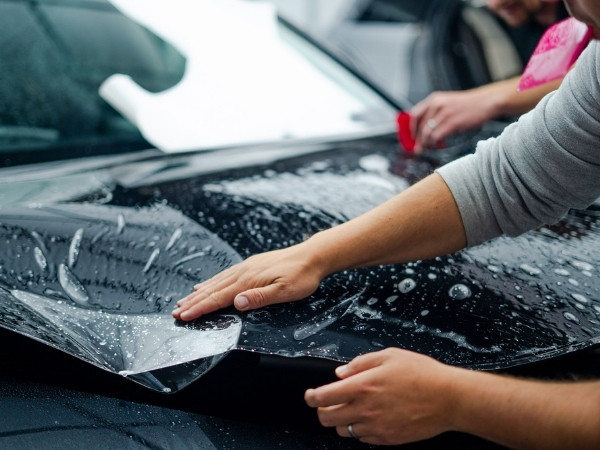
PPF stands for Paint Protection Film, a transparent protective film professionally installed over a vehicle’s exterior surfaces. At Odesto Automotive, our Paint Protection Film services are designed to help protect original paintwork against stone chips, light scratches, road debris and everyday wear, with coverage tailored around the individual vehicle.
Understanding Paint Protection Film
PPF creates a physical protective layer between your vehicle’s paintwork and the outside world.
Modern automotive PPF is typically manufactured from durable polyurethane-based material engineered to provide impact and abrasion resistance while remaining flexible enough to conform closely to the vehicle’s panels.
Unlike a wax, sealant or Ceramic Coating, Paint Protection Film has physical thickness. This allows the film to absorb many of the minor impacts and abrasions that would otherwise reach the paintwork underneath.
For owners who want to preserve original paint, particularly on new, performance or prestige vehicles, this physical barrier is one of PPF’s biggest advantages.
A Physical Barrier for Your Paintwork
Every time a vehicle is driven, its paintwork is exposed to potential damage. Small stones, grit and road debris can be thrown towards the front of the car, while scratches and scuffs can occur through everyday use.
PPF acts as a sacrificial layer. Instead of leaving the paint directly exposed, the film takes the initial impact.
This is particularly valuable across high-impact areas such as the front bumper, bonnet and front wings. Cars that regularly cover motorway mileage or are driven enthusiastically can be particularly susceptible to stone chips across these areas.
No protection can make a vehicle completely immune to damage, but professionally installed PPF can significantly reduce the exposure of the original paintwork to everyday hazards.
Self-Healing Technology and Everyday Protection
One of the most useful developments in modern PPF is self-healing technology.
Fine scratches and light marks can develop in almost any exterior surface over time. With self-healing PPF, suitable fine marks within the surface of the film can reduce when exposed to heat, helping the protected panels retain a cleaner appearance.
Self-healing shouldn’t be confused with making the film indestructible. A sufficiently deep cut or severe impact can still damage PPF and may require the affected section to be replaced.
Instead, the technology is designed to help the film recover from the lighter surface marks associated with normal use and maintenance.
Protecting the Highest-Impact Areas
You don’t necessarily need to cover the entire vehicle to benefit from Paint Protection Film.
For many owners, the front of the car is the priority because it faces the greatest exposure to road debris. Front End PPF concentrates protection across these vulnerable areas, providing a practical balance between coverage and investment.
For performance vehicles or cars driven more enthusiastically, extending protection to additional high-impact areas can provide greater coverage.
This can be particularly relevant for owners who regularly drive near or visit Silverstone Circuit, where protecting a performance vehicle from road and track-related debris may be a greater priority.
From Front End to Full Car PPF
One of the main advantages of PPF is the ability to tailor the coverage around the vehicle.
A Front End PPF installation focuses on the areas most vulnerable to stone chips and road debris. This makes it a popular choice for daily-driven vehicles and owners who want targeted protection without covering the entire car.
Track Pack PPF extends protection beyond the conventional front end to additional high-impact areas. It is particularly relevant for performance vehicles, motorway use and cars that are regularly driven on track.
At the other end of the scale, Full Car PPF protects the vehicle’s external painted surfaces, providing a physical protective layer across substantially more of the bodywork. This is suited to owners looking for more comprehensive preservation of the original paint.
You can explore the different options on our PPF service page.
Gloss and Satin & Matte PPF Finishes
Protecting a vehicle doesn’t necessarily mean keeping its appearance exactly the same.
Gloss PPF is designed to provide virtually invisible protection while retaining and enhancing the vehicle’s original glossy finish. The paint colour remains visible underneath while the film provides the physical protective barrier.
Satin & Matte PPF offers the same concept of physical protection but transforms glossy paintwork into a smooth, low-gloss appearance. This provides an opportunity to significantly change the look of a vehicle while preserving its factory paint underneath.
At Odesto, we treat Satin & Matte PPF as one low-gloss finish category, rather than two separate protection services.
Professional PPF Products and Installation
The quality of the film is only part of a professional PPF installation. Preparation, installation technique and finishing are equally important to the final result.
At Odesto Automotive, we’re an Accredited Pyramid Car Care PPF Installer, allowing us to professionally install their high-performance Paint Protection Film from our Banbury studio.
Pyramid Car Care PPF combines self-healing technology, hydrophobic performance and impact resistance to help protect against stone chips, scratches and road debris.
Their PPF is also backed by a lifetime warranty, providing additional long-term confidence in the film protecting the vehicle.
Preparing a Vehicle for PPF
A quality PPF installation begins well before the film is placed onto the vehicle.
The paintwork needs to be thoroughly cleaned and decontaminated so that dirt and bonded contamination aren’t trapped underneath the film. We can then inspect the condition of the surface and identify defects that may affect the finished result.
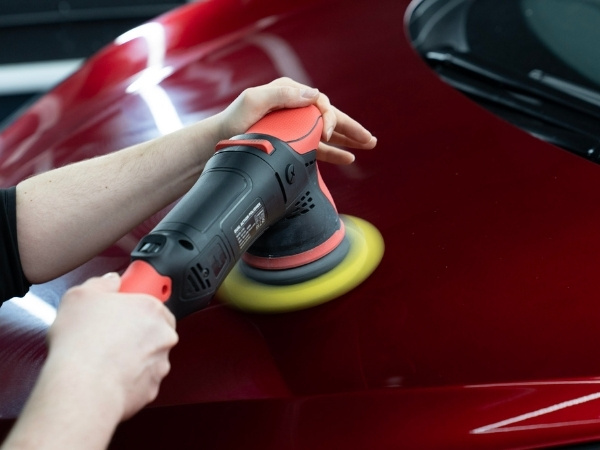
Where appropriate, professional Car Detailing and Paint Correction can be carried out before PPF installation. This allows suitable defects to be addressed before the paintwork is covered and protected.
The aim is to create the best possible foundation for the film rather than relying on PPF to hide imperfections underneath.
Combining PPF with Ceramic Coating
PPF and Ceramic Coating are often compared, but they can actually work extremely well together.
PPF provides the physical barrier against stone chips, scratches and road debris, while a suitable Ceramic Coating can provide additional hydrophobic surface protection and make the film easier to clean.
At Odesto, specialist Wrap & PPF Ceramic Coating can be applied over Paint Protection Film, helping water and contamination release more easily during regular maintenance.
Another approach is to use PPF across the vehicle’s highest-impact areas while applying Ceramic Coating to the remaining professionally prepared paintwork.
If you’re deciding between the two forms of protection, our PPF vs Ceramic Coating guide explains their different roles in more detail.
Looking After Paint Protection Film
Installing PPF doesn’t mean the vehicle becomes maintenance-free. The film itself still needs appropriate care if it is going to continue looking its best.
Regular washing removes dirt, road grime, bird droppings and other contamination before it has an opportunity to remain on the film for extended periods. Safe wash methods also help reduce unnecessary surface marking.
Our Vehicle Maintenance services provide ongoing professional care for detailed and protected vehicles, allowing PPF-protected cars to be maintained using appropriate products and cleaning methods.
Combining good maintenance with the self-healing properties of modern PPF can help preserve the appearance of the protected vehicle over the longer term.
Protecting New and Performance Vehicles
PPF can be particularly valuable when installed early in a vehicle’s life, before the paintwork has accumulated year