PPF vs Ceramic Coating: Which Is Right for Your Car?
When it comes to protecting your vehicle, PPF vs Ceramic Coating is one of the most common comparisons we come across. Both offer valuable protection, but they do very different jobs, and understanding that difference is important before deciding what is right for your car.
At Odesto Automotive, we provide both Paint Protection Film and Ceramic Coating from our Banbury studio near Silverstone. For us, it isn’t necessarily about choosing which product is better. It’s about understanding the type of protection your vehicle needs, how you use it and what you want to achieve from the finished result.
Two Different Approaches to Paint Protection
Although PPF and Ceramic Coating are often compared, they protect your vehicle in very different ways. Paint Protection Film creates a physical barrier over the paintwork, while Ceramic Coating forms a protective layer over a professionally prepared surface.
That distinction is important. If you’re concerned about stone chips and physical impacts, PPF provides a level of protection that Ceramic Coating isn’t designed to offer. If you’re looking for enhanced gloss, hydrophobic performance and easier ongoing maintenance, Ceramic Coating comes into its own.
For some vehicles, the most effective approach is actually to combine the two.
Physical Protection with Paint Protection Film
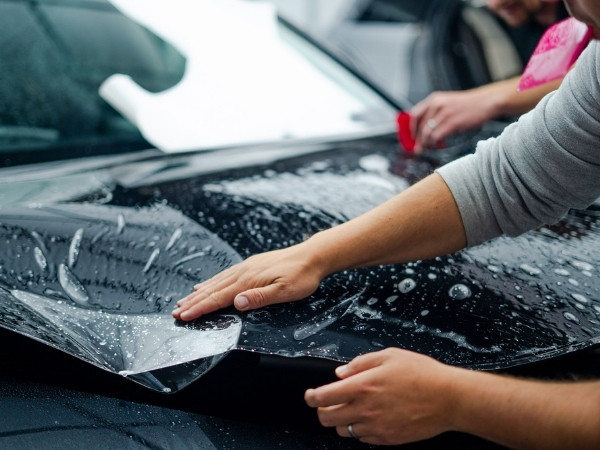
PPF is designed to take the impact before your paintwork does. The transparent film is installed directly over the vehicle and helps protect against stone chips, light scratches, road debris and everyday wear, making it particularly valuable across high-impact areas.
The front bumper, bonnet and front wings are naturally exposed to more road debris, which is why Front End PPF is such a popular starting point. For performance vehicles or cars regularly driven at higher speeds, coverage can then be extended to additional vulnerable areas.
Modern PPF also incorporates self-healing technology, helping fine surface marks within the film reduce when exposed to heat. This allows the film to protect the original paintwork while maintaining a clean finish over time. You can learn more about the technology and available coverage on our Paint Protection Film page.
The Surface Protection of Ceramic Coating
Ceramic Coating takes a different approach. Rather than protecting the vehicle through a physical film, it forms a strong bond with a correctly prepared surface to provide durable protection with excellent hydrophobic properties.
The result is a vehicle that not only benefits from enhanced depth and gloss, but is also easier to maintain. Water beads from the surface more readily, while dirt and road contamination are less able to bond as strongly to the protected paintwork.
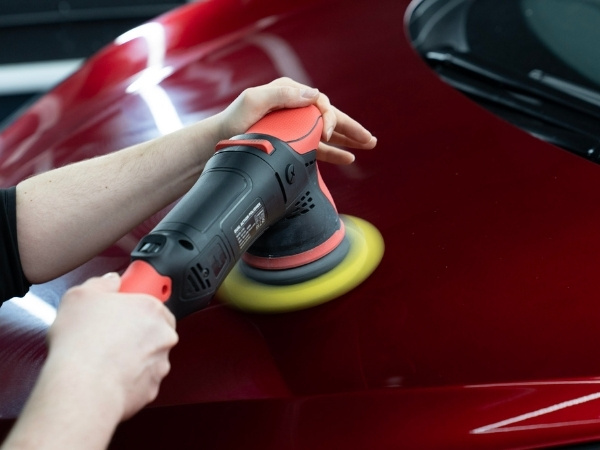
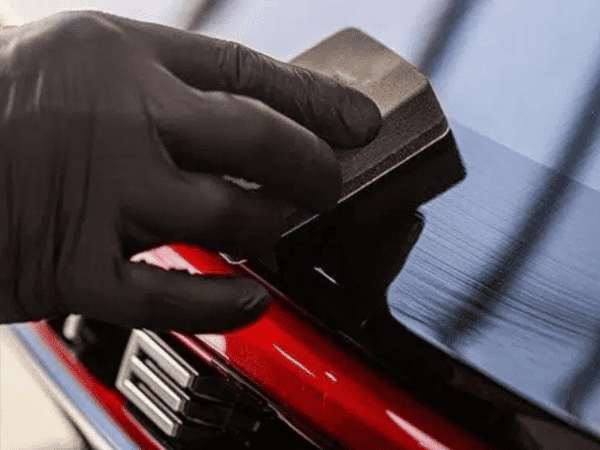
Preparation is a major part of the process. Before applying Ceramic Coating, we inspect and appropriately refine the paintwork so we’re protecting the finish we actually want to preserve. This is why Ceramic Coating and professional Car Detailing often go hand in hand.
Where PPF Provides the Advantage
For cars that are regularly driven, physical damage is often one of the biggest concerns. Even carefully maintained paintwork can pick up stone chips from motorway driving, country roads or enthusiastic use, and no amount of hydrophobic protection can prevent a stone from physically striking the paint.
This is where PPF has the advantage. A sacrificial layer sits between the road and the original paint, helping absorb impacts that could otherwise leave permanent chips or marks.
For drivers regularly visiting Silverstone Circuit or using performance cars as they were intended, extending PPF beyond the front end can provide additional protection across other high-impact areas.
Where Ceramic Coating Comes Into Its Own
Not every owner is primarily concerned with stone chips. For many, the priority is preserving the appearance of the paintwork and making the vehicle easier to care for.
Ceramic Coating is particularly effective here. Its hydrophobic surface helps water, dirt and contamination release more easily during washing, while the additional gloss can enhance the depth and clarity achieved during paint preparation.
At Odesto, our Ceramic Coating options can provide protection ranging from 2 years through to 10 years, allowing us to tailor the service around the vehicle and how long you plan to keep it.
It still doesn’t make the car maintenance-free. Appropriate Vehicle Maintenance remains an important part of keeping the coating and vehicle performing at their best.
Combining PPF and Ceramic Coating
This is where the PPF vs Ceramic Coating comparison can become slightly misleading. You don’t necessarily have to choose one or the other.
A popular approach is to install PPF across the areas most vulnerable to physical damage and use Ceramic Coating to provide additional surface protection. A suitable Ceramic Coating can also be applied over PPF, helping create a hydrophobic surface that is easier to clean and maintain.
For example, Front End PPF can protect high-impact areas against stone chips, while Ceramic Coating protects the remaining professionally prepared paintwork. Alternatively, Full Car PPF can be combined with a suitable coating for a more comprehensive protection package.
Protecting a New Car from the Start
A new vehicle is an ideal opportunity to think about protection because the paintwork hasn’t yet accumulated years of road wear and stone chips. However, that doesn’t necessarily mean a brand-new car will arrive with perfect paint.
Transportation, storage and dealership preparation can introduce light defects before the vehicle even reaches its owner. That’s why our New Car Protection process includes paint inspection and light Machine Polishing and refinement before Ceramic Coating is applied.
PPF can then be considered for areas vulnerable to physical damage, particularly if the vehicle is going to cover regular motorway mileage or be driven enthusiastically. Protecting the vehicle early can help preserve more of its original finish before damage has the opportunity to occur.
Choosing Protection Around the Way You Drive
The right solution ultimately comes down to the vehicle and how you intend to use it. A weekend car, daily driver and regularly tracked performance car can all have very different protection requirements.
If stone chips and physical damage are your biggest concern, PPF should be a major consideration. If you’re focused on gloss, hydrophobic protection and easier maintenance, Ceramic Coating may suit your priorities. If you want both, the two can be combined into a more complete protection package.
Rather than automatically recommending the most extensive option, we prefer to understand the vehicle, its condition and how it’s used before deciding what level of protection makes sense.
Maintaining Your Vehicle After Protection
Whichever protection you choose, correct ongoing care remains important. PPF and Ceramic Coating can make protecting and maintaining a vehicle considerably easier, but neither means the car should simply be left without regular cleaning.
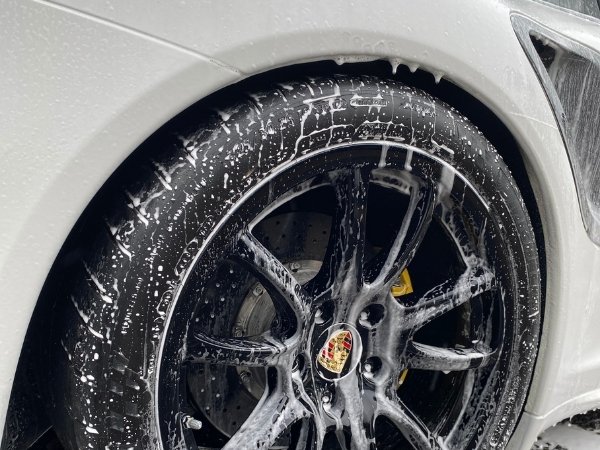
Our Vehicle Maintenance services provide ongoing professional care for vehicles that have been detailed or protected by us. This includes regular Maintenance Valets and a dedicated Ceramic Coating Retainer for vehicles Ceramic Coated at Odesto.
By maintaining the protection correctly, we can help preserve both its performance and the condition of the vehicle beneath it.
PPF vs Ceramic Coating at Odesto Automotive
When comparing PPF vs Ceramic Coating, the most important thing to remember is that they solve different problems. PPF provides physical protection against stone chips, scratches and road debris, while Ceramic Coating focuses on surface protection, hydrophobic performance, gloss and easier maintenance.
From our Banbury studio near Silverstone, we provide professional PPF, Ceramic Coating and Car Detailing for new, used, performance and prestige vehicles.
If you’re currently deciding between PPF vs Ceramic Coating, get in touch with us and tell us a little about your vehicle. We can talk through the different options and help you choose protection around the way you actually use your car.